Introduction
Traveling can be one of the most exciting and rewarding experiences in life. For beginners, however, planning a trip can feel overwhelming. From choosing the right destination to managing your budget, there are so many factors to consider. The good news is that with proper guidance, even first-time travelers can plan a smooth and enjoyable journey. This travel guide for beginners is designed to make your trip planning easier, more organized, and stress-free. We’ll cover everything from understanding travel essentials to avoiding common mistakes, so you can explore the world with confidence and joy.
Traveling isn’t just about visiting new places—it’s about experiencing new cultures, meeting new people, and creating memories that last a lifetime. Many beginners worry about safety, costs, or making the wrong choices, but most of these concerns can be managed with careful preparation. By following a step-by-step approach, you can enjoy every moment of your trip without unnecessary stress. This guide also includes practical tips, benefits, and insights that even intermediate travelers will find useful. Whether you’re planning a solo trip, a family vacation, or a first adventure abroad, this guide will help you feel confident, organized, and ready for an amazing travel experience.
What is a Travel Guide for Beginners?

A travel guide for beginners is a resource designed to help first-time travelers understand the basics of planning and enjoying a trip. It usually covers:
- How to choose a destination
- Budgeting for your trip
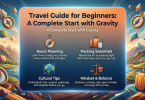
- Packing essentials
- Understanding local culture and etiquette
- Tips for transportation and accommodation
Unlike general travel advice, a beginner’s guide focuses on step-by-step instructions that make the process less confusing. It helps new travelers avoid mistakes, save time, and make the most of their journey. A travel guide is not just about logistics—it also inspires confidence and excitement.
For example, a beginner might not know how to find the best flight deals or how to prepare a simple travel itinerary. A guide can show you easy ways to do these things, so your trip starts smoothly. Essentially, it acts as a roadmap for first-time travelers, giving them the knowledge they need to enjoy a safe and memorable trip.
Why is a Travel Guide Important?
Travel guides are important because they make your journey more organized and enjoyable. Here are some reasons why every beginner should use one:
- Reduces Stress: Planning a trip for the first time can feel overwhelming. A guide simplifies the process.
- Saves Money: Travel guides often include tips on budget travel, helping you avoid expensive mistakes.
- Enhances Safety: Guides provide advice on safe destinations, health precautions, and emergency planning.
- Boosts Confidence: Beginners often feel unsure about traveling alone or abroad. A guide helps them feel prepared.
- Maximizes Experience: Travel guides highlight must-see attractions, cultural experiences, and local activities.
For instance, a guide might recommend visiting local markets in a city instead of only popular tourist spots. This allows beginners to experience the authentic culture while avoiding crowded areas. Overall, a travel guide transforms an uncertain journey into a structured, enjoyable adventure.
Detailed Step-by-Step Guide
Planning your first trip can seem intimidating, but breaking it down into steps makes it manageable. Here’s a step-by-step guide for beginners.
Step 1: Choose Your Destination
- Consider your interests: beaches, mountains, city tours, historical sites
- Check safety levels and travel advisories
- Determine the best time to visit based on weather and peak tourist seasons
- Start with countries or cities known for being beginner-friendly
Example: If you enjoy nature and easy travel logistics, Switzerland or New Zealand may be ideal.
Step 2: Plan Your Budget
- Include costs for flights, accommodation, food, transport, and activities
- Set aside a small emergency fund
- Look for discounts and travel deals online
- Track your expenses during the trip to avoid overspending
Tip: Use budgeting apps to manage travel costs in real-time.
Step 3: Book Transportation
- Compare flight prices using different websites and apps
- Consider budget airlines for short trips
- For local travel, check public transportation options such as trains, buses, or metro
- Always confirm bookings a few days before departure
Example: Booking a train pass in advance in Europe can save both money and time.
Step 4: Choose Accommodation
- Decide between hotels, hostels, guesthouses, or vacation rentals
- Read reviews for cleanliness, safety, and location
- Check amenities like Wi-Fi, breakfast, or air conditioning
- Consider staying close to public transport for convenience
Tip: For beginners, staying in well-reviewed central locations makes navigation easier.
Step 5: Pack Smartly
- Make a checklist of essentials: clothing, travel documents, medicines
- Pack light to make moving between destinations easier
- Include a universal power adapter, travel pillow, and reusable water bottle
- Consider the local weather and cultural norms when choosing clothing
Example: In Japan, modest clothing is recommended for temples and shrines.
Step 6: Learn Basic Local Etiquette
- Learn a few key phrases in the local language
- Research cultural norms such as tipping or greetings
- Respect local traditions and customs
- Be polite and friendly, even if mistakes happen
Tip: A simple “hello” or “thank you” in the local language can go a long way.
Step 7: Create a Travel Itinerary
- Make a daily plan with must-see attractions and activities
- Include downtime to rest and explore spontaneously
- Note transportation times and distances
- Use apps or maps for easy navigation
Example: In Paris, plan the Louvre visit early in the morning to avoid crowds, then explore nearby streets in the afternoon.
Step 8: Prepare for Emergencies
- Keep a list of local emergency numbers
- Have digital copies of important documents
- Know the location of nearby hospitals or police stations
- Purchase travel insurance to cover medical emergencies or trip cancellations
Benefits of Traveling for Beginners
Traveling offers numerous benefits, especially for first-time travelers:
- Personal Growth: Builds confidence and independence
- Cultural Exposure: Understands and appreciates different cultures
- Stress Relief: Breaks routine and promotes relaxation
- Social Connections: Meet new people and make friends globally
- Memorable Experiences: Creates lifelong memories
- Better Planning Skills: Improves organization and decision-making
- Health Benefits: Walking, exploring, and new experiences boost mental and physical health
Disadvantages / Risks of Traveling
While traveling is rewarding, beginners should be aware of potential risks:
- Budget Overruns: Overspending can create financial stress
- Health Issues: Illnesses, food problems, or jet lag may occur
- Lost Documents: Losing passports or tickets can cause delays
- Language Barriers: Miscommunication may happen in foreign countries
- Safety Concerns: Pickpocketing or scams are possible in tourist areas
- Travel Fatigue: Poor planning may lead to exhaustion
Common Mistakes to Avoid
- Overpacking: Carrying too much makes travel difficult
- Skipping Research: Not learning about the destination can lead to surprises
- Ignoring Travel Insurance: Emergencies can be costly without coverage
- Poor Budget Planning: Not tracking expenses can ruin a trip
- Not Respecting Local Culture: May offend locals unintentionally
- Overbooking Activities: Too many plans can cause stress
Tip: Less is more—plan essentials and leave room for spontaneity.
FAQs
1. How do I choose the best destination for my first trip?
Consider your interests, budget, travel experience, and safety. Start with beginner-friendly countries or cities.
2. How much money should I save before traveling?
It depends on your destination, trip length, and travel style. Always add a 10–20% emergency fund.
3. Should I travel solo or with someone?
Both have benefits. Solo travel increases independence, while traveling with friends or family can provide support and companionship.
4. How do I stay safe while traveling abroad?
Keep important documents secure, research local laws, avoid risky areas, and stay aware of your surroundings.
5. What should I pack for my first trip?
Essentials include clothes suitable for the weather, travel documents, medications, chargers, and basic toiletries. Pack light for convenience.
6. How can I save money while traveling?
Book flights and hotels in advance, use public transportation, eat like locals, and take advantage of free activities.
7. How do I manage travel anxiety as a beginner?
Plan ahead, keep an itinerary, have emergency contacts, and focus on small goals. Mindfulness and flexibility help reduce stress.
8. How can I make my trip more memorable?
Engage with locals, try new foods, explore off-the-beaten-path locations, and take photos or keep a travel journal.
Expert Tips & Bonus Points
- Use Technology: Travel apps can help with navigation, language, and budgeting.
- Start Small: Short trips before international travel build confidence.
- Pack a Day Bag: Keep essentials like water, snacks, and a map for daily outings.
- Stay Flexible: Sometimes the best experiences come from unplanned adventures.
- Learn Local Customs: Even small gestures of respect go a long way.
- Travel Insurance: Never skip it—it’s worth the peace of mind.
- Connect with Locals: Apps or local tours provide authentic experiences.
Bonus Tip: Try a “slow travel” approach—spend more time in fewer places to truly experience the culture.
Conclusion
Traveling as a beginner may seem intimidating, but with careful planning and the right guidance, it can be one of the most rewarding experiences of your life. By understanding the basics, creating a budget, packing wisely, and learning local customs, you can avoid common mistakes and enjoy a smooth journey. A travel guide for beginners serves as your roadmap, reducing stress and helping you make the most of every moment.
Remember, travel is not just about visiting new places—it’s about discovering yourself, building confidence, and creating memories that last a lifetime. Every trip, big or small, offers lessons, adventures, and stories to share. Whether you’re exploring nearby towns or venturing overseas, preparation, patience, and curiosity are your best companions. With this guide, you are ready to embark on your first adventure confidently, safely, and joyfully. So pack your bags, follow these steps, and embrace the thrill of travel—your journey awaits!