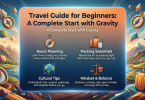
Introduction
Travel planning has changed a lot in recent years. People no longer rely only on travel agents or random advice. Instead, they look for clear, simple, and trustworthy guides that help them plan better trips. A destination travel guide plays a key role in this process. It helps travelers understand where to go, what to see, and how to plan every step with confidence. When written well, a guide can save time, money, and effort.
This is where gravity write becomes important. Gravity write is a powerful way to structure and present travel information so readers can easily follow and trust it. Whether you are a blogger, content creator, or someone building a travel website, using gravity write can make your destination travel guide more engaging and useful. It allows you to explain locations, activities, and travel tips in a natural flow that feels human and helpful.
For beginners, travel planning can feel confusing. There are too many options, too much information, and not enough clarity. A well-written destination travel guide solves this problem by breaking complex details into simple steps. For intermediate readers, it adds depth, insider tips, and practical examples. Gravity write helps balance both needs without making the content boring or overwhelming.
In this guide, you will learn what a destination travel guide is, why it matters, and how to create one step by step. You will also discover benefits, risks, common mistakes, and expert tips. Everything is written in simple English, with a friendly and professional tone, so you can apply it easily and confidently.
What is Destination Travel Guide?
A destination travel guide is a detailed resource that helps travelers understand a specific place before visiting it. It covers essential information such as attractions, local culture, food, transport, safety, and budgeting. The goal is to help readers make informed decisions and enjoy a smooth travel experience.
Using gravity write in a destination travel guide means organizing content in a clear, logical flow. Instead of random tips, information is presented step by step. This makes the guide easier to read and more reliable. A good travel guide answers common questions and anticipates traveler needs.
A destination travel guide can be digital or printed. Online guides are more popular because they are easy to update and reach a global audience. Bloggers and website owners often use gravity write to keep readers engaged and reduce confusion.
In simple terms, a destination travel guide is like a friendly local helping you plan your trip properly.
Why is Destination Travel Guide Important?
A destination travel guide is important because it builds trust and confidence. Travelers feel more relaxed when they know what to expect. Clear guidance reduces stress and helps avoid costly mistakes.
From a content perspective, gravity write improves readability and structure. It ensures that readers stay longer on the page and understand each section clearly. This is also helpful for search visibility and user satisfaction.
Key reasons why destination travel guides matter include:
- They save time by organizing information
- They help travelers plan realistic budgets
- They highlight must-see places and hidden gems
- They prepare travelers for cultural differences
- They improve safety and awareness
When done correctly, a destination travel guide becomes a complete planning tool rather than just a list of places.
Detailed Step-by-Step Guide
Step 1: Choose the Right Destination
Start by selecting a destination that people are searching for or interested in. Research popular cities, countries, or regions. Make sure there is enough information available to create a complete guide.
Gravity write helps you focus on relevance and clarity. Choose a destination you understand well or can research deeply.
Step 2: Research Deeply
Good research is the backbone of any destination travel guide. Look into:
- Best time to visit
- Weather conditions
- Local transport
- Accommodation options
- Food and culture
- Safety tips
Organize your research notes so you can present them smoothly using gravity write principles.
Step 3: Plan the Structure

Before writing, plan your structure. Decide which sections to include and in what order. A clear structure improves flow and keeps readers engaged.
Common sections include introduction, attractions, activities, costs, and tips.
Step 4: Write in Simple Language
Use simple English and short paragraphs. Avoid complex words. Gravity write focuses on natural flow and easy understanding.
Imagine you are explaining the destination to a friend. This mindset improves tone and clarity.
Step 5: Add Practical Examples
Examples make content more relatable. For example, explain how a traveler can spend a day exploring local markets or using public transport.
This approach builds trust and realism.
Step 6: Review and Improve
After writing, review your guide carefully. Check for clarity, flow, and usefulness. Make sure gravity write is applied consistently throughout the content.
Edit unnecessary words and improve transitions.
Benefits of Destination Travel Guide
- Helps travelers plan confidently
- Saves time and reduces confusion
- Improves reader engagement
- Builds authority and trust
- Works well for beginners and intermediate readers
- Supports long-term content value
- Easy to update and expand
Using gravity write enhances all these benefits by keeping content clear and structured.
Disadvantages / Risks
- Requires detailed research
- Can become outdated if not updated
- Poor structure can confuse readers
- Overloading information may overwhelm beginners
- Inconsistent tone reduces trust
These risks can be reduced by following gravity write principles and regular updates.
Common Mistakes to Avoid
Many writers make mistakes when creating a destination travel guide. Avoid these common issues:
Writing without research leads to shallow content. Skipping structure creates confusion. Using complex language pushes readers away. Ignoring reader needs reduces engagement. Forgetting updates makes the guide unreliable.
Another mistake is forcing keywords unnaturally. Gravity write encourages natural usage, not stuffing. Focus on value first, then optimization.
FAQs
What makes a destination travel guide useful?
A useful guide provides clear, updated, and practical information. It answers real traveler questions and follows a logical flow.
How often should a travel guide be updated?
Ideally, update it every six to twelve months. Changes in prices, rules, and transport matter.
Is gravity write suitable for beginners?
Yes, gravity write is ideal for beginners because it focuses on clarity and natural flow.
Can one guide fit all types of travelers?
Not completely. However, you can balance content by covering basics and adding optional tips for advanced readers.
How long should a destination travel guide be?
Length depends on the destination. Quality and usefulness matter more than word count.
Does structure affect reader trust?
Yes, a clear structure improves readability and builds trust instantly.
Expert Tips & Bonus Points
Always think from the reader’s perspective. Focus on solving problems, not just sharing facts. Use checklists to improve clarity. Keep sentences short and direct. Apply gravity write consistently across sections.
Add local insights when possible. Simple cultural tips make a guide more valuable. Finally, review feedback and improve regularly.
Conclusion
A destination travel guide is more than a simple travel article. It is a complete planning resource that helps travelers make smart decisions. When written with care, it becomes a trusted companion before and during a trip. Using gravity write ensures that your content stays clear, natural, and engaging from start to finish.
For beginners, a structured guide removes confusion and fear. For intermediate readers, it adds depth and confidence. Gravity write supports both by maintaining balance and flow. It allows you to explain complex travel details in a simple and friendly way.
Creating a strong destination travel guide requires research, planning, and clear writing. However, the effort is worth it. A well-structured guide builds trust, improves user experience, and delivers long-term value. It also helps your content stand out in a competitive space.
By following the steps, avoiding common mistakes, and applying expert tips, you can create guides that truly help people travel better. Focus on clarity, honesty, and usefulness. When readers feel supported, they return and recommend your content. That is the true success of any destination travel guide written with gravity write principles.