Introduction
Traveling can be exciting, but without proper preparation it can quickly become stressful. That is why learning travel planning tips early makes a big difference. Good planning helps you save money, avoid confusion, and enjoy every part of your journey. Whether you are planning a short weekend trip or a long international holiday, the basics remain the same.
Many beginners feel overwhelmed by choices. Flights, hotels, packing lists, budgets, and schedules can feel confusing at first. However, with the right approach, travel planning becomes simple and even enjoyable. You do not need to plan every minute, but having a clear structure helps you stay in control.
This article shares practical travel planning tips that work for both beginners and intermediate travelers. The advice is easy to follow and based on real travel experiences. Each section explains what to do, why it matters, and how to do it better.
You will learn how to choose destinations, manage money, prepare documents, and avoid common mistakes. These tips help reduce stress and increase confidence. By the end of this guide, you will feel ready to plan your next trip with clarity and excitement. Smart planning turns travel dreams into smooth, memorable experiences.
What Is Travel Planning Tips?
Travel planning tips are practical ideas that help travelers organize their trips effectively. They guide you through each stage of travel, from choosing a destination to returning home safely. These tips focus on preparation, decision making, and problem solving.
They include advice on budgeting, booking transport, selecting accommodation, packing smart, and managing time. Travel planning tips also cover safety, documentation, and understanding local culture.
For beginners, these tips act like a roadmap. They reduce guesswork and help you avoid common errors. For intermediate travelers, they improve efficiency and comfort.
Overall, travel planning tips make travel smoother and more enjoyable. They help you focus on experiences instead of worries.
Why Is Travel Planning Tips Important?
Good planning prevents many travel problems. Without planning, travelers often overspend, miss important details, or feel stressed. Travel planning tips provide structure and clarity.
They help you control your budget and avoid last minute costs. Planning also improves safety by preparing you for emergencies and unfamiliar environments.
Another important reason is time management. When you plan ahead, you spend less time figuring things out during the trip. This gives you more time to relax and explore.
Most importantly, planning builds confidence. Knowing what to expect makes travel enjoyable instead of stressful.
Detailed Step by Step Guide
Define Your Travel Goal
Start by deciding why you want to travel. Is it relaxation, adventure, learning, or visiting family? Your goal shapes every decision.
For example, a relaxing trip needs a slower schedule, while an adventure trip needs more activity planning.
Choose the Right Destination
Pick a destination that matches your experience level. Beginners should choose places with good transport and clear tourist services.
Consider weather, language, safety, and travel distance. Research local culture to avoid surprises.
Set a Clear Budget
Decide how much you can spend comfortably. Include transport, accommodation, food, activities, and emergency money.
Tracking expenses early helps you avoid financial stress later.
Plan Your Travel Dates
Choose travel dates carefully. Off season travel is often cheaper and less crowded.
Check weather conditions and local holidays before finalizing dates.
Book Transport Wisely
Compare flight, train, or bus options. Flexible dates can save money.
Always check baggage rules and cancellation policies.
Select Suitable Accommodation
Choose accommodation based on location, safety, and reviews.
For beginners, staying near city centers or transport hubs is helpful.
Create a Simple Itinerary
Plan main activities without overloading your schedule.
Leave free time for rest and unexpected discoveries.
Prepare Travel Documents
Check passport validity and visa requirements early.
Keep copies of important documents in different places.
Pack Smart and Light
Pack according to weather and activities.
Avoid carrying unnecessary items to reduce stress.
Learn Basic Local Information
Learn basic phrases and customs.
Knowing local rules improves comfort and safety.
Benefits of Travel Planning Tips
- Reduces travel stress and confusion
- Saves money and time
- Improves safety awareness
- Helps manage schedules better
- Builds confidence for future trips
- Enhances overall travel experience
Disadvantages / Risks
- Over planning can reduce flexibility
- Too much research may cause confusion
- Plans may change due to unexpected events
- Relying only on plans limits spontaneity
Common Mistakes to Avoid
Many travelers make avoidable mistakes. One common error is planning too many activities in one day. This leads to exhaustion.
Another mistake is ignoring travel insurance. Insurance protects you from unexpected costs.
Some travelers forget to check document requirements. This can delay or cancel trips.
Packing too much is also common. Heavy luggage creates stress and discomfort.
FAQs
How early should I start planning a trip?
Start planning at least two to three months early. This gives you time to compare options and secure better prices.
Are travel planning tips useful for short trips?
Yes, even short trips benefit from planning. Simple plans help you save time and enjoy more.
How can I stick to my travel budget?
Set daily spending limits and track expenses. Avoid unnecessary purchases and plan meals wisely.
Is travel insurance really necessary?
Travel insurance is important. It covers medical emergencies, delays, and cancellations.
Should beginners plan every detail?
No, focus on essentials only. Leave room for flexibility and rest.
How do I handle unexpected problems?
Stay calm and flexible. Having backups and emergency funds helps manage issues smoothly.
Expert Tips and Bonus Points
Start with simple destinations before complex trips. Keep digital and printed copies of documents.
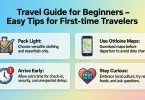
Use a checklist for packing and documents. This prevents forgetting important items.
Always arrive early at airports and stations. This reduces stress.
Talk to locals for practical advice. They often share useful insights.
Take notes during trips. This helps improve future planning.
Remember that no plan is perfect. Adaptability is a key travel skill.
Conclusion
Travel becomes more enjoyable when you prepare wisely. These travel planning tips show that planning does not have to be complicated or stressful. With clear goals, smart budgeting, and simple organization, anyone can plan a successful trip.
Beginners often think travel planning is difficult, but it becomes easier with practice. Each trip teaches you something new. Over time, you learn what works best for you.
Good planning saves money, time, and energy. It also increases safety and confidence. Instead of worrying about details, you can focus on experiences and memories.
Use these travel planning tips as a guide, not a rulebook. Adjust them to your needs and travel style. With the right balance of planning and flexibility, travel becomes rewarding and enjoyable. Start small, stay curious, and let each journey improve your skills and confidence as a traveler.